Off The Shelf: Potato Salad

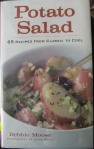
Potato Salad by Debbie Moose is a wonderful cookbook to have on your summer cooking shelf. The book contains 65 different recipes which all have me drooling and wanting to try each and every one!

Check out the names of some of these salads:

Farmer’s Market Salad
Grilled Potato Salad
Sweet Potato Waldorf Salad
Double Tater Salad
Ultimate Olive Salad
Lemony Dill Salad
Sweet Potato Salad
Quick Italian Salad
German Warm Potato Salad
Triple Cheese Potatoes
Sassy Salsa Salad
Smoky Bacon Salad
Sweet Potato Ambrosia Salad
Tart Lemon Pepper Salad
Curry Potato Salad
Tuscan Taters
Hungarian Potatoes
Greek Potato Salad
Blue Moon (using blue cheese and blue potatoes!!!)
Caesar Potato Salad
I tried the Herbs and Garlic Salad which was so good that it will become my go-to recipe for potato salad.

HERBS AND GARLIC SALAD
(Potato Salad)

2 pounds Yukon Gold potatoes
1 tsp. chopped garlic
1/4 cup chopped fresh Italian parsley
2 Tbsp. chopped chives
1/2 cup chopped onion (I used green onion)
1 cup mayonnaise
1 Tbsp. Dijon mustard
1/2 cup chopped celery
1/2 tsp. salt
1/2 tsp. freshly ground black pepper
1 tsp. dried thyme

Place the potatoes in a large pot, add enough water to cover them, cover the pot with a lid, and bring to a boil. Cook until the potatoes are pierced easily with the tip of a sharp knife, 15 to 20 minutes. Drain and let cool until you can handle them but they are still warm. Peel and cut into approximately 1-inch pieces.

In a large bowl, stir together the garlic, parsley, chives, onion, mayonnaise, Dijon mustard, celery, salt, and black pepper. Crush the thyme lightly with your fingers and stir it in. Add the potatoes and toss until coated. Cover and refrigerate for several hours to overnight.

Serves 6.

I also tried the Pesto Potatoes which is meant to be served at room temperature. It was a nice twist to an old classic, but the cold leftovers were kind of nasty (in my opinion — others disagreed).

However, this Potato and Beet Salad was amazing! I’m a big fan of beets and thought this salad not only tasted great, but looked beautiful too.

And this Sweet Potato Waldorf Salad was an interesting twist on an old classic. I added blue cheese and those of us who like new and daring flavors enjoyed it.

As you can see, trying new potato salads has become addicting.

Counter Culture

My counters have been busy this week: from the stacks of china and glass to be put away after my daughter’s baptism dinner to the mountain of baking on my to-do list, and then the testing of our new ice-cream machine! Yes, we are now the proud owners of a Cuisinart Automatic Ice-Cream Maker!!! This was our first attempt:

The kids decided on mint chocolate chip and we happened to have the chocolate and green chocolate chips to add. We all loved the results and the next night we tried raspberry frozen yogurt — also very delicious. Making one’s own ice-cream means you can control the ingredients, especially the sugar. So far we’ve been using about 1/3 of the amount called for in ice-cream recipes. No doubt ice-cream recipes will begin to appear on The Cooks Next Door.

Getting my CSA each week is something I really look forward to. I love the challenge of using the vegetables we get.

Here’s some of what we’ve eaten recently:

Swiss Chard — I made this Swiss Chard Lasagna and it was so good I hope to make it again soon
Kohlrabi — a relative of the cabbage, I added mine to coleslaw
Peas — we ate the sugar snaps raw and the boys shelled the shell peas to be steamed for dinner
Cabbage — we all love coleslaw and that’s what we did with our beautiful cabbage
Kale — I made an amazing Italian sausage, white bean and kale soup which I plan to make again this week
Mustard Greens — I used these greens in place of spinach in a Greek rice salad
Herbs — we’ve been given a lot of “cutting celery” which I’ve never heard of before. It has the appearance of overgrown parsley but tastes more like celery. I’ve been using it in salads and as a substitute for parsley.
Basil — I came home with a shopping bag full of basil and decided pesto was in order. The recipe I found gave options for freezing, which was perfect for me. Seven little jars found their way into the freezer.

BASIL PESTO
(Food Network)
Print this recipe

2 cups packed fresh basil leaves
2 cloves garlic
1/4 cup pine nuts (I left these out)
2/3 cup extra-virgin olive oil, divided
kosher salt and freshly ground black pepper, to taste
1/2 cup freshly grated Pecorino cheese

Combine the basil, garlic and pine nuts in a food processor and pulse until coarsely chopped. Add 1/2 cup of the oil and process until fully incorporated and smooth. Season with salt and pepper.

If using immediately, add all the remaining oil and pulse until smooth. Transfer the pesto to a large serving bowl and mix in the cheese.

If freezing, transfer to air-tight container and drizzle remaining oil over top. Freeze for up to 3 months. Thaw and stir in the cheese.

Makes 1 cup.

Last, but not least, the children and I went black raspberry picking in the nearby woods last week. When we got home we made handpies with the berries we found. It made me think of my childhood and the memories I have of berry picking. Hopefully my children will someday look back and remember the fun we had (even though we all ended up being eaten up by bugs!!).

Market Fresh: Green Beans

Fresh green beans are hard to beat. They are tender crisp and delicious. These two recipes were SO GOOD and I can’t remember where I found them but I modified both a little. The salad was one of our top favorite salads ever. It would be great for pitch-ins!

 
THYME GREEN BEANS
Print This Recipe

1 lb. fresh green beans
1 Tb. butter
2 tsp.  minced fresh thyme
Salt & pepper to taste
3 Tb. slivered almonds, toasted

Place beans in a steamer basket. Place in a saucepan over 1 in. of water; bring to a boil. Cover and steam for 10-12 minutes or until crisp-tender.

In a large skillet, melt butter; add the hot beans, thyme, salt and pepper, & almonds. Cook and stir for 5 min. or until heated through.

GREEN BEAN BLUE CHEESE SALAD
Print This Recipe

1 lb. fresh green beans, cut into 2 in. pieces
1/4 c. blue cheese, crumbled
1/3 c. red onion, diced
1/2 c. olive oil
4 tablespoons balsamic vinegar
1/2 c. pecan pieces, toasted
salt and pepper to taste

Place green beans in a steamer over 1 inch of boiling water, and cover. Cook until tender but still firm, about 6 min. Immediately put in ice water to stop the cooking and chill them. 

In a medium bowl, combine beans, onion, blue cheese, and pecans. Stir in olive oil and balsamic vinegar. Season with salt and pepper. Chill for at least an hour before serving.

Weekend Fare: Strawberry Soup

When I first learned about chilled, fruit soups, I was not inclined to give them a try. It was just too weird. However, my opinion has changed! They can be a delicious addition to brunch, a wonderful appetizer, or even a light dessert. I think this recipe would be perfect served in shooter glasses as an appetizer at a garden party. It’s also super easy and great for weekend cooking!

STRAWBERRY SOUP
(adapted from Food Network)
Print This Recipe

1 lb. strawberries, cleaned and hulled
3/4 c. half & half or cream
 3/4 c. sour cream or plain yogurt
1/4 c. sugar
4 tsp. lemon juice

Blend the strawberries until pureed. Pour into a bowl and stir in the half & half, sour cream, sugar and lemon juice. Chill until serving. Top with fresh mint or strawberries if desired. Serves 4.

Off The Shelf: Well Preserved

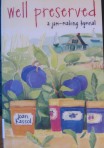
Well Preserved: A Jam-Making Hymnal by Joan Hassol is a tribute to the joys of preserving the seasons in your kitchen. Part memoir, mostly recipes, this book was enjoyable to read through and imagine what kind of jam I might like to make next.

Hassol’s drive to make jam so matches my feelings that I felt I was reading my thoughts put on paper. Here are a few excerpts from the introduction: “There is something about finding the succulent, almost ripe fruits; about picking berries; about laboring in the hot sun, that awakens long-dormant memories of a sun-washed early childhood….I’m still a hunter-gatherer, with an instinctive sense of needing to ‘have enough’…Stacking jars fills me with a sense of security….This book is about my relationship with jam, my soul, music, and the world in which I live.”

Arranged seasonally, you will find recipes such as: Apple Grape Jam, Cranberry Raspberry Jam, Green Tomato Chutney, Cranberry Citrus Chutney, Lemon Ginger Marmalade, Orange Marmalade with Whiskey, Strawberry Rhubarb Jam, Rhubarb with Ginger Jam, Apricot with Rum Jam, Pineapple Ginger Jam, Blueberry Jam, Raspberry Amaretto Jam, Cherry Pineapple Jam, and Wild Cherry Jam. The book ends with a collection of muffins, breads and scones to enjoy with your jam.

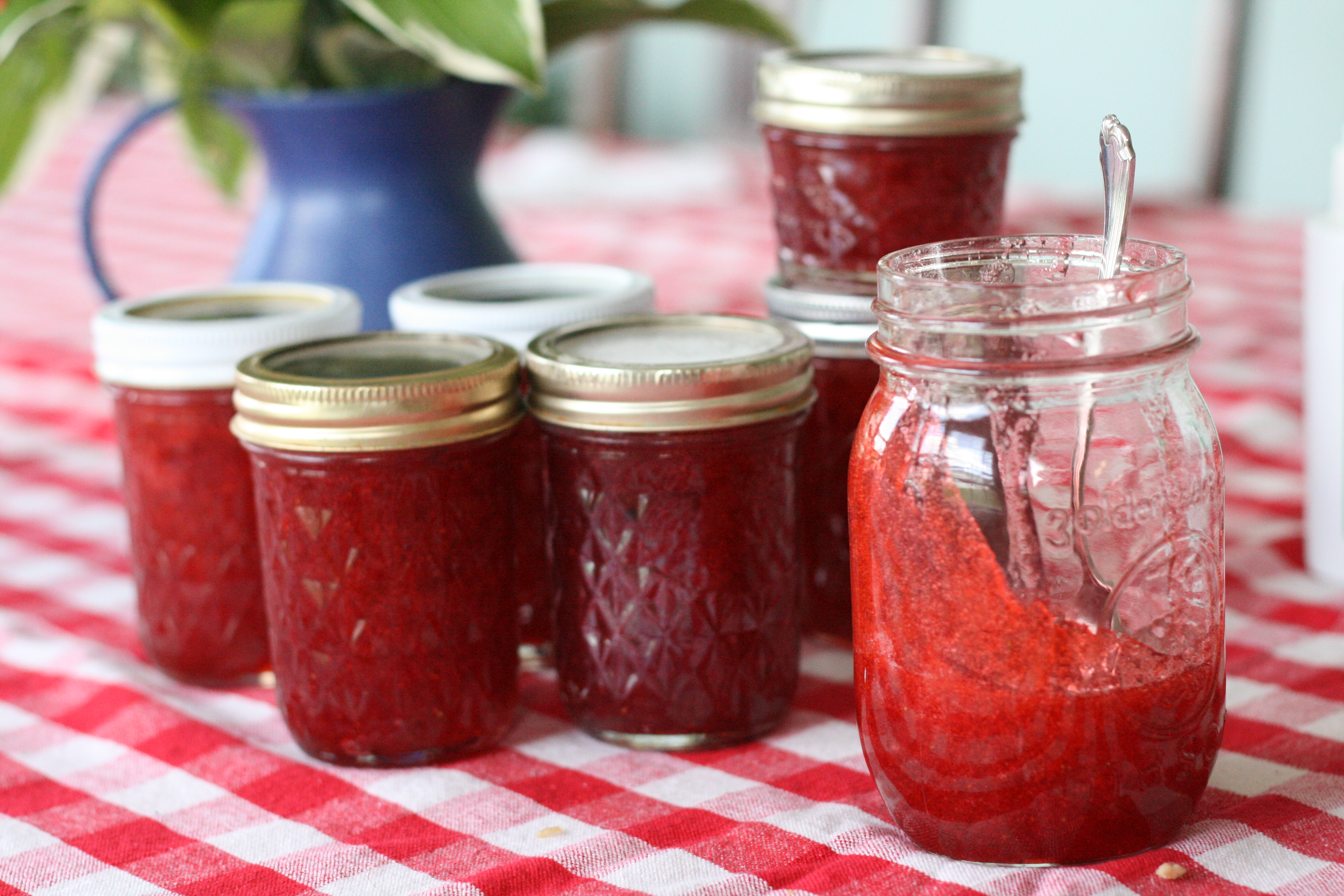
I decided first upon the Strawberry Rhubarb Jam since I love that kind of pie. The directions were easy to follow and my jam came out exactly as it should. The original recipe did not include a processing time so I just checked with the National Center for Home Food Preservation and found I should process my jam for 10 minutes. I could have wished for more fruit flavor, and less sweet, but with the amount of sugar in these recipes, one won’t be getting something less sweet.

I would really like to try the Rhubarb Ginger Jam next!

STRAWBERRY RHUBARB JAM
(Well  Preserved)
Print this recipe

3 cups chopped, fresh or frozen unsweetened strawberries
1 cup chopped rhubarb
1/2 cup water
1  1/2 packages powdered pectin
7 cups sugar

Simmer the strawberries, rhubarb and water until the rhubarb is soft, about 5 minutes. Bring to a boil. Add the pectin. Return to the boil. Add the sugar slowly, stirring constantly. Bring to the boil again and boil for 1 minute, or until the jam sheets off the spoon. Pour into hot, sterilized jars. Cover with new, clean, hot lids. Process in a hot water bath for 10 minutes.

Makes 7-8 eight-ounce jars.

My Kitchen View

Things are blooming and growing around here! My basil plants – I have many because I love it – are thriving. We have had lots of rain and it seems that the plants are loving it.

In honor of strawberry week, I’m listing some of my favorite uses of this amazing, flavorful, and juicy fruit! As I mentioned, I really love the month of June for the delicious strawberries but I will also admit that, like Heather, I buy them throughout the summer. 

10 Favorite Uses of Strawberries (in no particular order):

1.   Strawberry Lemonade
2.   Homemade Strawberry Icecream
3.   Strawberry Shortcake
4.   Vanilla Cheesecake w/Strawberries
5.   The Red Stripes on a 4th of July Dessert
6.   A Juicy & Delicious Side Dish – in a Fruit Salad, on a Fruit Platter or alone
7.   In Salad w/Balsamic Dressing and Candied Pecans
8.   Macerated w/Balsamic Vinegar & Sugar on Vanilla Icecream
9.   Strawberry Pie
10. Dipping in Chocolate Fondue  

My older boys are turning 5 and had their birthday party (definitely a happening in my kitchen of late!). So this fruit platter was one of the pirate-themed creations. The strawberries were the first to go! 

This salad is a favorite:
Mixed Greens
Sliced Strawberries
Candied Pecans
Blue Cheese
Salt & Pepper to taste
Balsamic Vinagrette Sweetened w/Honey

Perhaps you will find inspiration to try something new with strawberries or perhaps you will share a favorite use of strawberries with us!

Market Fresh: Strawberries

Strawberries are one of the best parts of summer for me. It used to be that we were limited to the 2 or 3 weeks that they were in season locally, but now we can have them year-round. (I’m not supposed to mention that, really, since we’re meant to eat seasonally on this blog. But, I’m afraid I buy strawberries all summer long.)

Mostly I buy strawberries to make one of my favorite desserts ever: strawberry shortcake. It’s a simple dessert, and low in sugar, not to mention that it tastes so good and reminds me of my childhood.

There are so many ways to use strawberries: eaten plain, on top of cereal, frozen and in a smoothie, sliced into green salads, dipped in chocolate, and made into jam.

If you want something a little different from the ordinary strawberry shortcake, why not try one of these giant strawberry shortcakes!

GIANT STRAWBERRY SHORTCAKE
(Heather)
Print this recipe

2 cups flour
1/3 cup butter
2 Tbsp. sugar
1 Tbsp. baking powder
1 tsp. salt
3/4 cup milk

1 pound strawberries
1/4 cup granulated sugar
1 cup heavy whipping cream
2 Tbsp. powdered sugar

Preheat oven to 400F. Whisk together flour, sugar, baking powder and salt. Cut butter into flour mixture and work with hands until mixture resembles fine crumbs. Stir in milk just until blended. Bring dough together and place on a floured surface. Knead 20 to 25 times. Pat dough out into a round about 3/4-inch thick and place on a greased cookie sheet.

Bake until golden brown 10-15 minutes. Cool on a rack.

Meanwhile, slice the strawberries and mix with the granulated sugar, leaving at room temperature so they develop juice. Beat the whipping cream with the powdered sugar and refrigerate until needed.

Once shortcake is cool, carefully slice it in half with a long, serrated knife. Assemble the shortcake just before serving so it doesn’t get too soggy. Pile the strawberries onto the bottom half and then top with whipped cream. Carefully place the top half on top of the whipped cream.

Serves 6-8.

It’s always good to try something different and here’s an idea for a light, gluten-free, strawberry dessert: Balsamic Strawberries with Ricotta Cream.

BALSAMIC STRAWBERRIES WITH RICOTTA CREAM
(Food Network)
Print this recipe

1 cup part-skim ricotta cheese
2 Tbsp. honey
1/2 tsp. vanilla extract
3 Tbsp. balsamic vinegar
2 Tbsp. sugar
1 pound strawberries, hulled and quartered
2 Tbsp. fresh basil leaves, cut into ribbons

Put the ricotta cheese, honey and vanilla extract into the small bowl of a food processor and process until smooth, about 1 minute. Transfer to a small bowl and refrigerate for at least 2 hours.

In a small saucepan combine the vinegar and sugar and bring to a boil. Simmer over medium heat for 2 minutes, stirring occasionally (next time I will try 1 minute as 2 minutes made the syrup go hard when it cooled). Allow to cool completely.
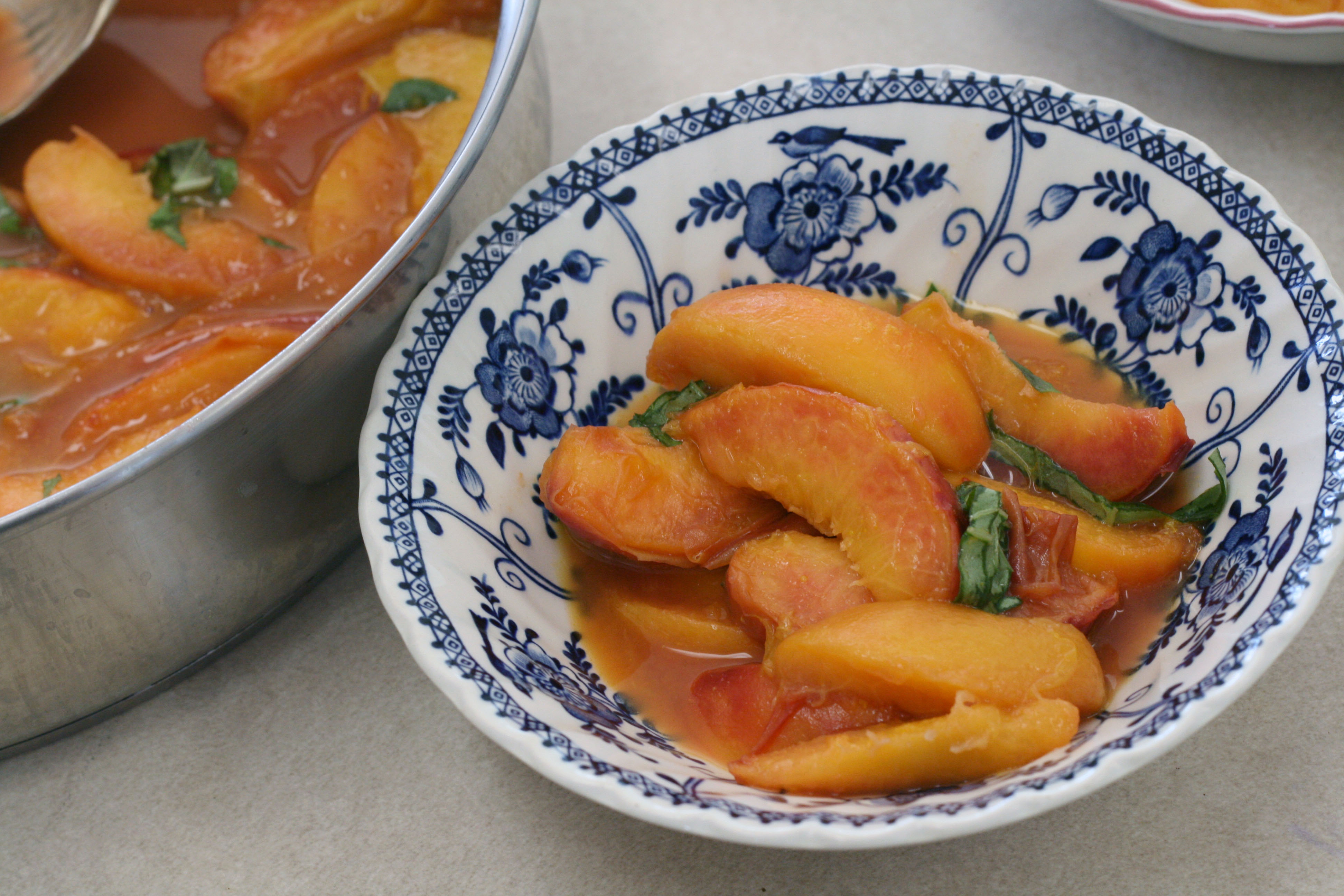
In a medium bowl, toss the berries with the basil and the balsamic syrup.

Divide the cream among 4 cocktail glasses, top with the berry mixture and serve.

Makes 4 small servings.

Guest Post: Grilling

We are delighted to have a good friend share a guest post today on charcoal grilling. Christine has made charcoal grilling her hobby for many years and knows what she’s doing! She has a recipe for grilling pork shoulder posted on her personal blog which you may enjoy as well. Thanks Christine!

While most people associate grilling with hamburgers and hot dogs, in the last few years the realm of grilling progressed to fine dining. In Chicago and Indianapolis, restaurants serving only food grilled over charcoal exist and entire cooking shows on the Food Network are devoted to this emerging medium. What I love most about grilling is how basic it is -  coals plus protein or vegetables equals a great meal. If you’re new to grilling there are only a few essentials you need. For charcoal grills, I highly recommend a chimney starter which starts the charcoal with newspaper and coals, eliminating the need for lighter fluid which can leave an aftertaste on the food. A good spatula and a timer are all that is needed to complete your grilling kit.

This recipe for hickory smoked herbed chicken thighs is one of my all time favorites. I’ve adapted the ingredients to feed both small and large (20+) groups of people and I think this is one of the best no fail recipes that I’ve ever cooked. Hickory chips are available at almost any store that sells grilling equipment. Be sure to buy wood chips and not wood chunks which are too large to use for this recipe, however wood chunks are easily split into 1 inch pieces with a hatchet.

HICKORY SMOKED BUTTERMILK HERBED CHICKEN THIGHS
(adapted from Weber’s Big Book Of Grilling)
Print this recipe

For the marinade:
1 cup buttermilk
1 tablespoon dijon mustard
1 tablespoon honey
1 tablespoon chopped fresh rosemary
1 teaspoon kosher salt
1/2 teaspoon dried thyme
1/2 teaspoon dried sage
1/2 teaspoon dried marjoram
1/2 teaspoon freshly ground black pepper

8 chicken thighs (with bone and skin), about 4 oz. each

1 cup hickory wood chips

To make the marinade: In a medium bowl whisk together the marinade ingredients.

Trim the chicken of any excess fat and place in a resealable plastic bag with the marinade. Refrigerate 6 to 8 hours. Thirty minutes prior to cooking chicken on the grill remove the chicken from the marinade and allow chicken to rest at room temperature, discard the old marinade.

Prepare the grill. Soak wood chips in cold water for 30 minutes prior to grilling. Ensure that coals have ashed over then spread wood chips over coals. Put the cooking grate on the grill and allow to heat for 2 minutes while the wood chips begin to smoke. Sear the thighs skin side down over direct medium heat with the grill covered for 10 minutes (until the skin crisps), then turn the chicken over and cook 20- 25 minutes more until the chicken is no longer pink at the bone. Remove from grill and allow to rest for 5 minutes.

Serves 4.

Note: using woodchips will turn the meat a pinkish hue, this is normal when smoking.

Off The Shelf: The Cook and the Gardener

The Cook and the Gardener: A Year of Recipes and Writings from the French Countryside by Amanda Hesser is part memoir, part cookbook. The book is designed around the seasons, beginning in January and going through to December. Hesser tells the story of her life in a chateau kitchen in Burgundy and how it intertwines with the chateau’s garden and its keeper, the elderly Monsieur Milbert.

Each month of the year receives its own chapter with a description of what is going on in the garden at that time of year and what gets cooked in the kitchen. The rest of the chapter is devoted to seasonal recipes using the garden produce.

If you are an avid gardener, or, are seriously interested in eating seasonally, you will enjoy this book. I did find that many of the recipes seemed very “French” (of course this is a book about living in France!) and thus perhaps too involved, or too “out there” for my taste. But, the book as a whole is very inspiring, and filled with ideas on what to grow, how to grow it, and how to cook with it. The author gives very clear, detailed instructions, so you are sure to be able to make the recipes she gives you.

I tried two recipes from this book: a soup and a salad. Both turned out very well. I loved the presentation of the egg salad and found that I could make the salad with whatever greens and herbs I had around, improvising on the recipe while keeping to the main idea. And the soup was delicious! I was skeptical at first, but upon tasting it felt like it was worthy of a fancy restaurant. I’ll be making it again, and perhaps taking up the author’s idea of freezing it in large batches when zucchini is abundant.

EGG SALAD WITH TARRAGON, CHERVIL, AND CHIVES
(The Cook and the Gardener)
Print this recipe

4 eggs (not new ones — they won’t peel well)
3 Tbsp. best-quality olive oil
1 1/2 tsp. Dijon mustard
1 tsp. heavy cream
2 handfuls tender Bibb lettuce, trimmed and washed
2 handfuls lamb’s lettuce, trimmed and washed, or mesclun
coarse or kosher salt
1/2 Tbsp. chopped tarragon leaves (about 1-2 branches)
1/2 Tbsp. chopped chervil leaves (about 4 sprigs — if not available, increase tarragon to 6 branches)
4 blades chive, sliced thin
freshly ground black pepper

Hard boil the eggs: bring a large pot filled with water to a boil. Add the eggs and cook for 11 minutes. Plunge the eggs in cold water and peel them. Sometimes it helps to run them under cold water as you peel them. The water runs between the thin skin that covers the egg and loosens it, making peeling much easier. Use a thin knife to cut them in half lengthwise.

In a small bowl whisk 2 Tbsp. of the olive oil, the mustard, and cream until well emulsified and smooth. Dress the greens: In a large mixing bowl, combine the greens, season with salt, and pour over the remaining tablespoon of olive oil. Toss well to coat all the greens.

Pile the greens on a large round plate. Set the egg halves on the greens in the center of the plate. Season them with salt and drizzle on the mustard dressing. Generously sprinkle the herbs over them and then some pepper. Serve immediately. If the eggs are slightly warm, all the better.

Serves 4.

ZUCCHINI-LEMON SOUP
(The Cook and the Gardener)
Print this recipe

2-3 medium or 2 large zucchini (about 2 1/2 pounds)
3 Tbsp. olive oil, plus more for sprinkling
grated zest of one lemon
1 clove garlic, sliced thin
1 shallot lobe, sliced thin lengthwise (or use white onion or green onion)
2 Tbsp. white wine
coarse or kosher salt
1 cup milk, plus more if needed
2 Tbsp. heavy cream
1/2 Tbsp. chopped wild thyme or regular French thyme (about 4 sprigs)

Peel and seed the zucchini: zucchini rarely needs much prepping, but for this dish you want a light-colored, smooth soup, so some work is required. Begin by cutting off the stem and flower ends close to the zucchini flesh. Then use a vegetable peeler to peel the skin from the zucchini. (If it bothers you to waste this, you may include it; or reserve it and saute the strips of skin in olive oil for another meal.) Cut the zucchini lengthwise in half, then in quarters. If the zucchini are older and the seeds are large, you will want to remove them by laying each quarter on its side and cutting along where the seeds and flesh meet. Discard the seeds. If the zucchini are very young, the seeds are usually insignificant and can remain a part of the soup. Now cut the quarters crosswise into even-sized cubes (about 1 inch).

In a large saute pan, warm the olive oil with half of the grated lemon zest, all of the zucchini, and the garlic, shallot, and white wine. Season lightly with salt, and lay a piece of parchment paper or a lid over the mixture to cover. Sweat over medium-low heat, stirring from time to time, for 20-30 minutes, until the zucchini is soft all the way through and there are just a few tablespoons of liquid remaining in the pan. You may have to do this in two batches if you do not have a very large pan. If so, omit the garlic and shallots from the second batch.

Puree in a food processor fitted with a steel blade or with an immersion blender directly in the pan (if it is deep enough), then pass through a sieve. Now you’re probably asking, “Why did I have to bother removing the seeds if it’s going through a sieve?” Because the seeds are just small enough to clog your sieve and make this step a slow, painful one. In a large saucepan, combine the puree with the milk, cream, and thyme. The soup should be light and creamy, so you may need to add more milk or water to attain the right consistency. (Water may be better, because you do not want the soup to taste milky.)

Heat through, adjust the seasoning, and ladle into four individual bowls. Serve warm or cool, drizzling with olive oil (or cream) and sprinkling some of the remaining grated lemon zest on top of each serving just before going to the table.

Serves 4.

Note: the author suggests doubling or tripling this recipe, omitting the cream and milk and freezing it in batches to thaw later, finishing it with milk and cream then. (What a good idea!!)

Counter Culture

Here in my kitchen we’ve begun to enjoy the first produce from our garden: radishes of course, and the peas have started as well. The lettuce has been ready to pick for some time, I’m just waiting until I need it!

I started my garden last year, dug in the terrible, clay-filled soil of my backyard. I have dumped in straw, peat, and manure, but from what I’ve been told, it is going to take a number of years to get the dirt in good condition. Right now I have to rely on Miracle Gro if I want anything to stay green and actually grow. As time goes on I hope my dirt will develop so I won’t need that.

The most fun thing about the garden right now is that it has brought many, many birds to our backyard, including a pair of mallards who fly in each evening to peck at the leftover birdseed (and hopefully not at my little plants). The golden finches are finding the beet greens to be very tasty.

Each week I eagerly anticipate my CSA pickup. It’s kind of like getting a pile of presents to open. Swiss chard was among the recent arrivals. I often marvel at the amazing colors we get to enjoy while working in the kitchen. Food can be so beautiful! Just look at this PINK color. And look how it is paired with green (the natural complement of pink/red) to make a stunning combination.

I chopped the chard stalk and sautéed it with onion until soft then added in the cut greens and continued sauteeing until all was soft. A little balsamic vinegar finished it off.

Last Saturday was my annual day for  garage-saleing.  I’m always on the hunt for new things for my kitchen. I found the red-checked tablecloth which will be perfect for summer, and a few different antique china platters (50 cents each) as well as a beautiful green glass bowl.

I was most happy to find a brand new salad spinner for $2. The spinner I have been using was a wedding gift and had served us faithfully since then. The spinner happened to break the same week as my washing machine and I did feel as though my trusted tools were falling apart around me! (Especially since the dishwasher was also broken.)

I hope you all are enjoying the beginning of summer and all the lovely produce that is beginning to be available. If you have the chance, check out your local farmer’s market — it is always very inspirational to me, even if I can’t buy much. One of these weeks I’ll have to take you on a tour of our local market…